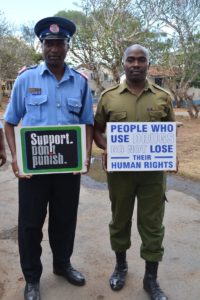
Kenya’s Constitution is celebrated as progressive, guaranteeing dignity, equality, privacy, health, and justice to all citizens. But for sex workers and men who have sex with men (MSM), these rights rarely exist beyond paper. Stigma, criminalization, and police violence strip them of protection and leave them among the country’s most vulnerable.
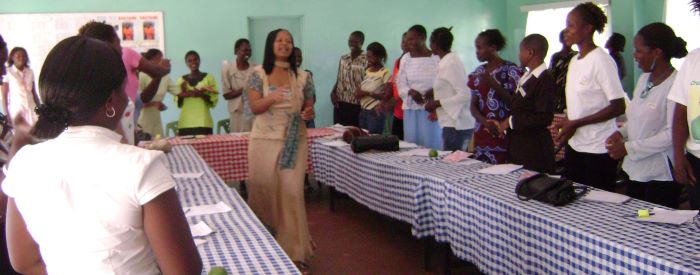
The Law’s Trap
Kenya does not outlaw prostitution outright but criminalizes activities linked to it: living off its earnings, running a brothel, or encouraging sex work. Municipal by-laws go further, banning loitering for prostitution or indecent exposure.
This indirect criminalization, coupled with deep moral stigma, creates fertile ground for abuse. Sex work is seen not as labor but as immorality, making it easy for society to dismiss violations and for police to act with impunity.
The Constitution’s Promise
On paper, the Constitution protects everyone. Article 27 promises equality and non-discrimination; Article 28 guarantees dignity; Article 29 shields against violence; Article 43 grants the right to health; and Article 49 protects arrested persons. Kenya is also bound by international human rights treaties under Article 2(6).
Yet sex workers find themselves excluded. Despite these guarantees, they face discrimination, denial of health services, and routine abuse by the very officers meant to protect them.
Police as Perpetrators
For sex workers, encounters with police are less about law enforcement and more about exploitation.
- Economic Exploitation
- Police impose arbitrary fines and pocket the money.
- Bribes for release consume entire day’s earnings.
- False arrests are used to extort cash.
- Human Rights Violations
- Justice denied: When reporting client violence, sex workers are ignored or assaulted by officers.
- Health denied: HIV-positive women are sometimes barred from taking medication in custody.
- Sexual violence: Rape and coerced sex in exchange for release are common. Some are detained illegally for days, forced into sexual or domestic servitude.
- Targeting minorities: MSM detainees face torture, while transgender women placed in male prisons endure abuse from inmates.
- Privacy breached: Police shout out HIV statuses or use condoms as “evidence” of prostitution, discouraging safe sex.
- Brutality: Beatings during arrests are routine, with victims too afraid to complain.
Living Under Fear
Sex workers walk a tightrope of fear. Carrying a condom—a public health necessity—risks arrest. Seeking police help can lead to humiliation or violence. Even gender desks, designed for reporting abuse, are inaccessible when officers themselves are the aggressors.
By-laws criminalizing loitering or indecency are wielded as harassment tools. Silence becomes survival, as speaking out often invites worse abuse.
The Betrayal of Rights
This reality is a glaring contradiction. Kenya’s Constitution promises equality and dignity, yet sex workers face extortion, rape, beatings, and denial of health care. These violations not only betray national law but also breach international standards Kenya has pledged to uphold.
The Wider Cost
Abuse of sex workers has broader consequences. Fear of carrying condoms or seeking medical help undermines the fight against HIV/AIDS. Stigma drives workers underground, cutting them off from health and legal services. By criminalizing their lives, the state worsens public health risks and entrenches cycles of poverty and violence.
The story of sex workers in Kenya is one of rights denied. They live in a country where the Constitution promises dignity and freedom, but where police brutality and societal stigma silence their cries.
Kenya’s policy framework undermines access to rights, fuels discrimination, and leaves sex workers disenfranchised. Until laws are reformed and police held accountable, these citizens remain visible enough to be targeted—but invisible when they demand justice.